Reducing Government-Office Congestion Through Smarter Digital Appointments
The transition to a more flexible format of public services in the UAE has become a key step towards reducing office congestion. More and more processes are being transferred to remote channels, where simplification of services, proactive service model, optimization of procedures and electronic transactions allow citizens to interact with the government without unnecessary delays. Virtual receptions, single sign-on, remote interactions, and integrated services form a convenient space in which you no longer need to be present in person to resolve typical issues.
Virtual receptions as a new service standard
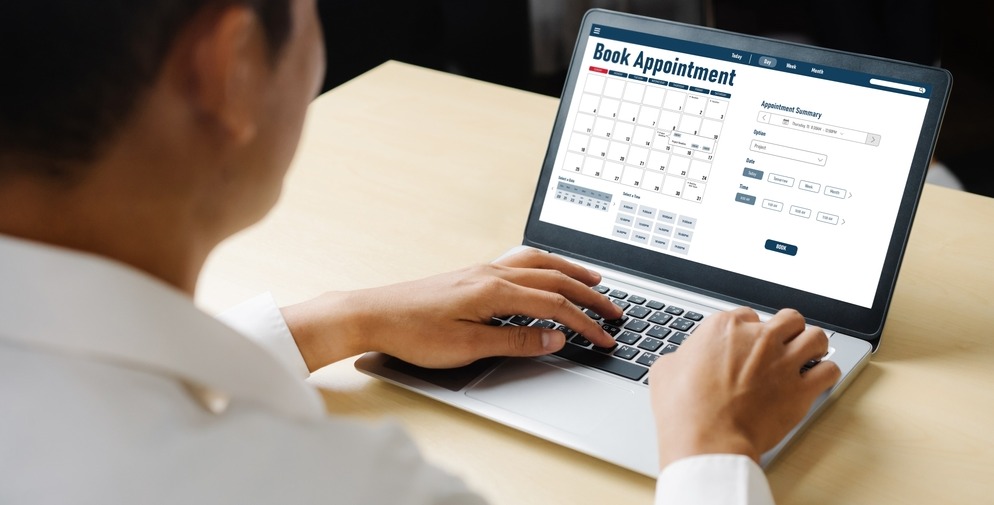
Virtual recordings and remote consultations have become a logical solution to reduce office workload. Due to the ability to clarify the status of applications, receive responses and interact with departments remotely, there is no need to visit service centers. Smart user-friendliness-oriented systems by a reliable customer journey solutions provider create a clear customer path where every step is accessible through digital channels.
This form of interaction supports the policy of integrated and seamless services. Instead of a multitude of disparate procedures, a single structure is proposed based on the principles of proactive services, digital identification, and referral management. This approach makes remote interactions a natural part of everyday life and reduces the flow of visitors who previously had to deal with issues in person. Simplification of procedures and zero bureaucracy
Unloading government offices is impossible without eliminating excessive requirements. The program to reduce bureaucracy is revising outdated rules, eliminating unnecessary steps, and converting a significant portion of interactions to electronic format. Simplifying services transforms complex sequences into compact and understandable processes.
Special attention is paid to optimizing procedures, including reducing the number of steps, eliminating unnecessary documents, automatic data verification and integrated quality control. All this reduces the number of requests that previously arose due to ambiguity or complexity of procedures. When services become digital and transparent, citizens prefer a remote format, thereby unloading service centers.
Process automation and predictive analytics
Automation of processes plays a key role in reducing the burden on government agencies. Through the use of predictive analytics, electronic monitoring, and data management, agencies can anticipate citizens' needs and provide proactive services without waiting for requests. This creates the effect of automatic tracking, when a person receives the necessary information in advance.
Many procedures are now performed without the participation of a specialist, and the processing of applications has become faster thanks to smart systems. In some cases, complex operations are performed in a matter of minutes thanks to data analysis algorithms. This approach reduces the amount of work that requires a physical visit and allows employees to pay attention to more significant tasks.
Automated verification helps to identify problems in advance, for example, in the field of resource management or infrastructure maintenance. Real-time electronic monitoring, rejection notifications, and unified call management reduce the number of on-site calls, which means they reduce the flow of visitors to offices that previously came only for applications or consultations.
Customer-centricity and community involvement
The development of remote services is based on a direct dialogue with the population. Departments hold regular meetings with consumers of services, collect opinions and suggestions for further improvement. This is an important element of creating a convenient environment in which services are created based on real requests.
Customer centricity has become one of the main principles with open communication channels, accessibility of feedback, management of requests, focus on convenience and transparency create trust in remote solutions. The easier it is to use remote channels, the less need to come to the office.
That is why special attention is being paid to developing integrated services, improving interfaces, eliminating duplicate procedures, and creating unified service routes. The user gets a logical and predictable path that does not require unnecessary visits.
Partner with a customer experience management solutions company that extends a highly functional system based on convenience, proactive services, data management, simplification of procedures and accurate operation of digital channels. This makes it possible to reduce the workload on offices, maintain a high level of citizen satisfaction, and create an environment where interaction with the government is simple, fast, and without unnecessary obstacles.


Related Blogs
Cloud vs On-Premise Queue Management in the UAE
Beyond the Waiting Room: Improving the Inpatient Experience During a Hospital Stay
.jpg)
What Enterprises Get Wrong When Scaling CX Across Branches
Many enterprises face hurdles when scaling CX across locations. This blog breaks down common mistakes across branches and shares practical ways to deliver consistent customer experiences.