

Reducing No-Show Rates: Best Practices for Appointment Booking Systems
In the UAE, a “no-show” isn’t just an empty chair in a waiting room. It’s wasted clinical capacity, frustrated frontline teams, and a dent in your brand promise. Dubai Healthcare City has previously put the UAE’s no-show rate at around 37%, compared to a global range of 15–30% – meaning more than a third of booked slots simply evaporate.
In a market obsessed with world-class service and national CX benchmarks, that’s not a scheduling glitch. It’s a customer experience management failure.
This article cuts past the usual “send reminders” advice and focuses on evidence-based, UAE-relevant strategies to redesign how appointments are booked, managed, and recovered.
1. No-Shows Are a Design Problem, Not a Patient Problem
The UAE’s Digital Customer and Digital Government Service Policy explicitly pushes entities to deliver proactive, integrated, and seamless services, with user experience as a core pillar. At the same time, the Dubai Model for Government Services anchors service design around the customer, not the process owner.
Yet many appointment systems still assume a rational, tech-savvy, always-available customer. Reality check:
- 70% of appointments are scheduled outside business hours
- 40% of customers abandon booking due to complex online forms
- 45% cancel because the available slots are simply inconvenient
When people don’t show up, it’s often because your system is fighting their lives, not fitting into them. The first rule of modern customer experience management in the UAE is simple: if people need a tutorial to book or reschedule, you’ve already lost them.
Actionable Design Moves (UAE Context):
- Make booking mobile-first and bilingual (Arabic/English) as default, not a “nice to have.”
- Integrate with UAE Pass and WhatsApp where possible to reduce log-ins, forgotten passwords and form fatigue.
- Offer micro-slots (e.g., shorter visits, extended hours during Ramadan or peak travel seasons) to match real life, not legacy operating hours.
2. Reminders That Nudge, Not Nag
Automated reminders are not new. But badly designed reminders are just spam with a timestamp.
Recent analyses show automated reminders can cut no-shows by 20–60%, with SMS outperforming voice calls by a large margin. Behavioural-economics research further shows that subtle tweaks—like emphasizing social norms, loss aversion, or a personal commitment can significantly reduce missed appointments.
How to Make Reminders Actually Work:
Time them smartly:
- One reminder 48 hours before
- One 12–24 hours before
- A final “you’re next in line” nudge for high-risk, high-value appointments
Make cancellation/rescheduling one-tap via link or WhatsApp reply. If users must phone a call centre during working hours, they simply won’t.
Use behavioural framing:
- Weak: “Reminder: You have an appointment tomorrow.”
- Stronger: “Your doctor has reserved a slot only for you tomorrow at 10:00. Tap here if you can’t make it so another patient can take your place.”
That last line taps pro-social motivation and responsibility, without being punitive—exactly the tone UAE public and private services aim for
3. Predictive Analytics and AI: Stop Treating All Bookings the Same
In 2025, a study on AI-driven no-show prediction reported models hitting around 86% accuracy by analysing historical records and integrating risk scores into real-time dashboards. That’s not sci-fi; it’s an ops upgrade.
For UAE healthcare, clinics, and government service centres, this means:
- Risk-stratified reminders: High-risk customers get more frequent, multi-channel reminders plus staff follow-up; low-risk customers get lighter-touch digital prompts.
- Smart overbooking: For segments with consistently high no-show probability, carefully calibrated overbooking can recover capacity—without destroying wait times.
- Proactive outreach: High-risk no-shows in critical services (oncology, immigration, licensing) can trigger call-backs or even home-visit outreach in public health scenarios.
Dubai Healthcare City’s move to launch instant online appointments explicitly targets the UAE’s elevated no-show rate, recognising that smarter digital access is a lever for both utilisation and experience.
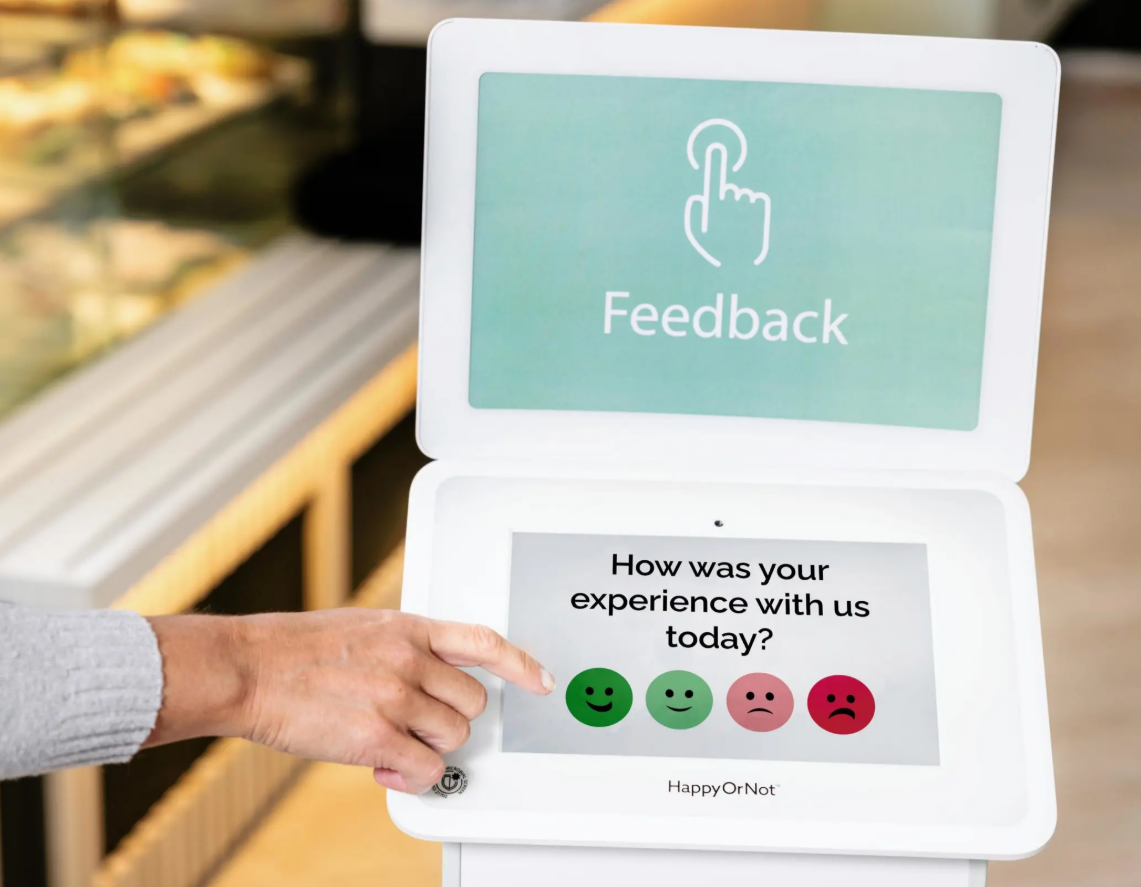
The takeaway: customer experience management isn’t just surveys and smiley faces; it’s feeding hard data into how you schedule, confirm, and recover appointments.
4. Policies With Teeth, But Not Fangs
In many markets, the response to no-shows has been blunt: penalties, blacklists, and blanket deposits. That might shrink your no-show rate, but it also torpedoes trust—particularly in a country that has made “government services better than the private sector” a public ambition.
Instead of one-size-fits-all punishment, use tiered, data-driven rules:
- Segmented Deposits: Apply small, refundable deposits for high-demand or elective services (e.g., aesthetics, premium clinics), waived for low-income or chronic-care patients.
- Smart Cancellation Windows: With about 60% of cancellations happening within 24 hours, redesign policies to actively promote early cancellation—for example, rewards for rebooking in-app or priority access to earlier slots.
- Transparent, Omnichannel Communication: Policies must be clear in Arabic and English at booking, in reminders, and on-site, no fine-print ambushes.
Policy is part of customer experience management. If your rules feel like a trap, customers will either avoid your system or game it.
5. Measure What Matters, Not Just the No-Show Rate
No-show rate is a lagging indicator. By the time you’re staring at empty chairs, the experience has already failed. UAE organisations serious about experience should treat no-shows as a cross-functional CX metric, not just an operational statistic.
Build dashboards that track:
No-show, late cancellation, and reschedule rates by:
- Emirate, clinic/branch, and service type
- Segment (age group, nationality, visit type)
- Channel (web, app, call centre, walk-in)
- Digital Journey KPIs: form abandonment, time to book, device used, successful UAE Pass log-ins.
- Experience Signals: CSAT/NPS specifically on the booking and reminder journey, not just post-service.
Then close the loop: if smartphone-only expats are abandoning your Arabic-first web form at 11 p.m., that’s not their “non-compliance.” That’s a design flaw waiting for a product owner.
Empty Chairs Are a Choice
In a country positioning itself as a global leader in digital government and service excellence, persistent no-show rates are optional. The organisations that win in the UAE will treat appointment systems as strategic customer experience management platforms, not admin utilities.
The playbook is clear:
- Design journeys around real human behaviour.
- Use reminders that nudge, not nag.
- Deploy AI and analytics to predict and manage risk.
- Apply fair, data-driven policies that protect capacity without eroding trust.
- Measure everything, then fix what the data and your customers are telling you about.
Empty chairs are expensive. In the UAE’s service scenario, they’re also brand-damaging. The question isn’t whether you can reduce no-shows. It’s how long you’re willing to keep paying for the ones you could have prevented.


Related Blogs
Why In-Moment Kiosk and Tablet Feedback Beats Emailed Surveys Days Later

Customer-Feedback Insights Reducing Churn in Retail Banking
Customer feedback, complaints, sentiment trends and behavioral signals help UAE retail banks identify early churn risk, improve predictive models and strengthen retention strategies.