
What UAE PDPL Means for Appointment Booking Forms, Feedback Kiosks, and Visitor Data Collection
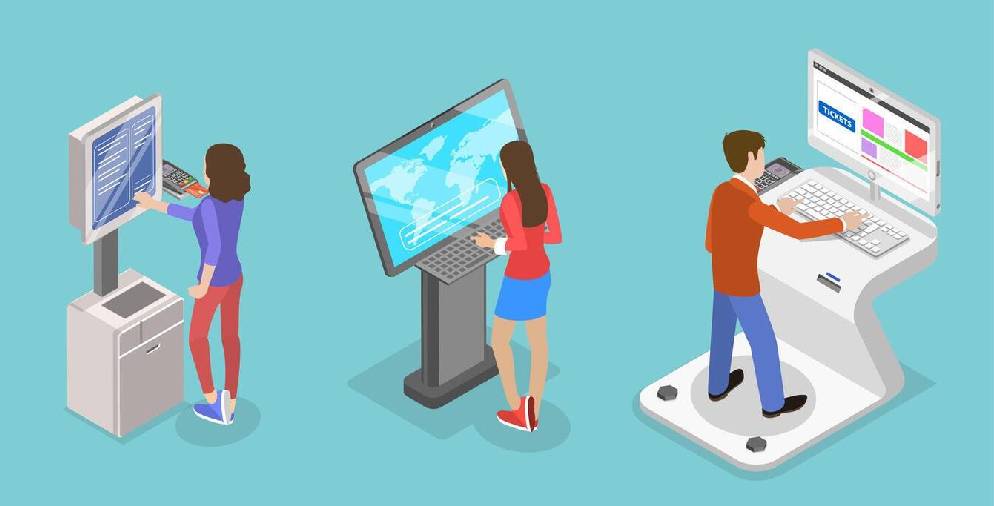
Across the UAE, customer service environments have become increasingly digital. Visitors sign into offices through tablets, patients book appointments online, and customers leave feedback through touchscreen kiosks placed near exits, often connected to a visitor management system.
These tools were originally introduced to make service delivery faster and more organised. Over time, they also became quiet data collection points. Every appointment form captures contact details. Every visitor system records who entered a building. Even simple feedback terminals often log interaction timestamps or device identifiers.
For many organisations, this information simply supported daily operations. With the UAE Personal Data Protection Law (PDPL), however, these everyday interactions now sit inside a larger conversation about how businesses collect and handle personal data. For teams and operations leaders, the shift is subtle but important. Systems designed for customer convenience are now also part of data governance.
Why Customer Experience Systems Are Part Of Data Compliance
Most businesses do not think about privacy regulations when installing a feedback kiosk or visitor sign-in screen.
The decision usually comes from an operational need.
- Reception teams want faster check-ins.
- Branch managers want better service visibility.
- Customer experience teams want real-time feedback.
Technology solves those problems.
But these systems also collect personal information in the background. Names, phone numbers, email addresses, visit reasons, and appointment records accumulate across multiple customer touchpoints. Over time, this data forms a clear record of customer interactions.
This is where PDPL begins to affect everyday service design. Customer experience technology is no longer just about managing queues or bookings. It is also about managing customer information responsibly.
Appointment Systems: Structured Service, Structured Data
Appointment scheduling has become a core part of service delivery in the UAE.
- Banks use it for advisory meetings.
- Hospitals rely on it for patient consultations.
- Government centres use it to organise citizen services.
From a customer perspective, appointment booking is simple. Select a time, enter basic details, and confirm the visit. From an operational perspective, the form becomes a structured data entry point.
Most booking systems request several pieces of information before confirming an appointment. Some ask only for contact details, while others request visit reasons, identification numbers, or supporting documents. The key question for many organisations is no longer whether appointment systems are useful. It is whether the information collected through them is necessary. In many cases, simplifying these forms improves both compliance and customer experience. Shorter forms reduce friction and help customers complete bookings faster.
Visitor Management: Security Versus Simplicity
Digital visitor check-in systems have replaced paper sign-in sheets across offices, hospitals, and corporate facilities. They improve building security and give reception teams better visibility into daily visitor activity.
Many systems now include advanced features such as badge printing, QR code entry, or pre-registered guest lists. However, some installations request far more information than a typical visit requires. Identification numbers, company affiliations, photographs, and contact details often appear as mandatory fields.
For routine office visits, this level of detail is rarely necessary. Simplifying visitor registration often produces two benefits at the same time. Visitors move through reception faster, and organisations reduce the amount of personal data they must manage
Feedback Kiosks: The Assumption Of Anonymity
Feedback kiosks have become familiar across the UAE’s service environments. Customers leaving a mall store, airport counter, or government service desk are often invited to rate their experience before leaving through a customer feedback kiosk.
The interaction usually takes only a few seconds. Most customers assume their response is anonymous. In some systems that assumption is correct. In others, the technology records additional information about when the interaction happened or which service point was used.
Neither approach is necessarily wrong. The important part is clarity. Customers should understand whether their feedback is anonymous or connected to their interaction. When this is communicated clearly, participation tends to improve rather than decline. People are generally willing to share feedback when they understand how it will be used.
Why Operational Design Now Matters More
Customer experience technology has always been about managing flow.
- Appointment platforms organise service demand.
- Visitor systems control access.
- Feedback kiosks capture service insight.
What is changing is the environment in which these tools operate. Organisations are beginning to review how information moves through their service systems.
- What data is collected during booking?
- How long is visitor information stored?
- Who can access feedback records?
These operational questions now sit alongside service design decisions. For many organisations, the process leads to simpler systems.
- Forms become shorter.
- Check-ins become faster.
- Data storage becomes more structured.
The result is often a better customer experience as well.
Why Privacy Matters For Customer Experience
Privacy and customer experience are sometimes treated as separate priorities. In practice, they often reinforce each other. Customers prefer shorter forms. They appreciate clear explanations about how information is used. They move more comfortably through service environments where processes are transparent.
We see this alignment regularly when organisations review their service environments. Appointment scheduling, visitor management, and feedback systems work best when they balance operational efficiency with responsible data practices. When customer flow and customer trust move in the same direction, service environments become easier to manage and easier to navigate.
FAQ
1. Does UAE PDPL apply to appointment booking and visitor systems?
Yes. Any system that collects personal data from individuals in the UAE must handle that information responsibly.
2. Do feedback kiosks need to explain how customer responses are used?
Customers should understand whether feedback is anonymous or linked to their service interaction.